
Category

Michigan EGLE Permitting

Seawall Maintenance Regulations

Understanding "Rule 5": The Michigan Seawall Maintenance Shortcut

Seawall Maintenance Rules

One of the biggest hurdles in West Michigan marine construction is the wait time for state permits. However, many homeowners don’t realize that Michigan law (specifically Rule 281.815, commonly known as “Rule 5”) allows for specific types of seawall restoration to begin immediately, without the 60-to-90-day EGLE permit process.

As your local marine contractor, I use these exemptions to help you protect your property faster. Here is how Rule 5 works for you:

1. The 100% Cap Replacement Rule

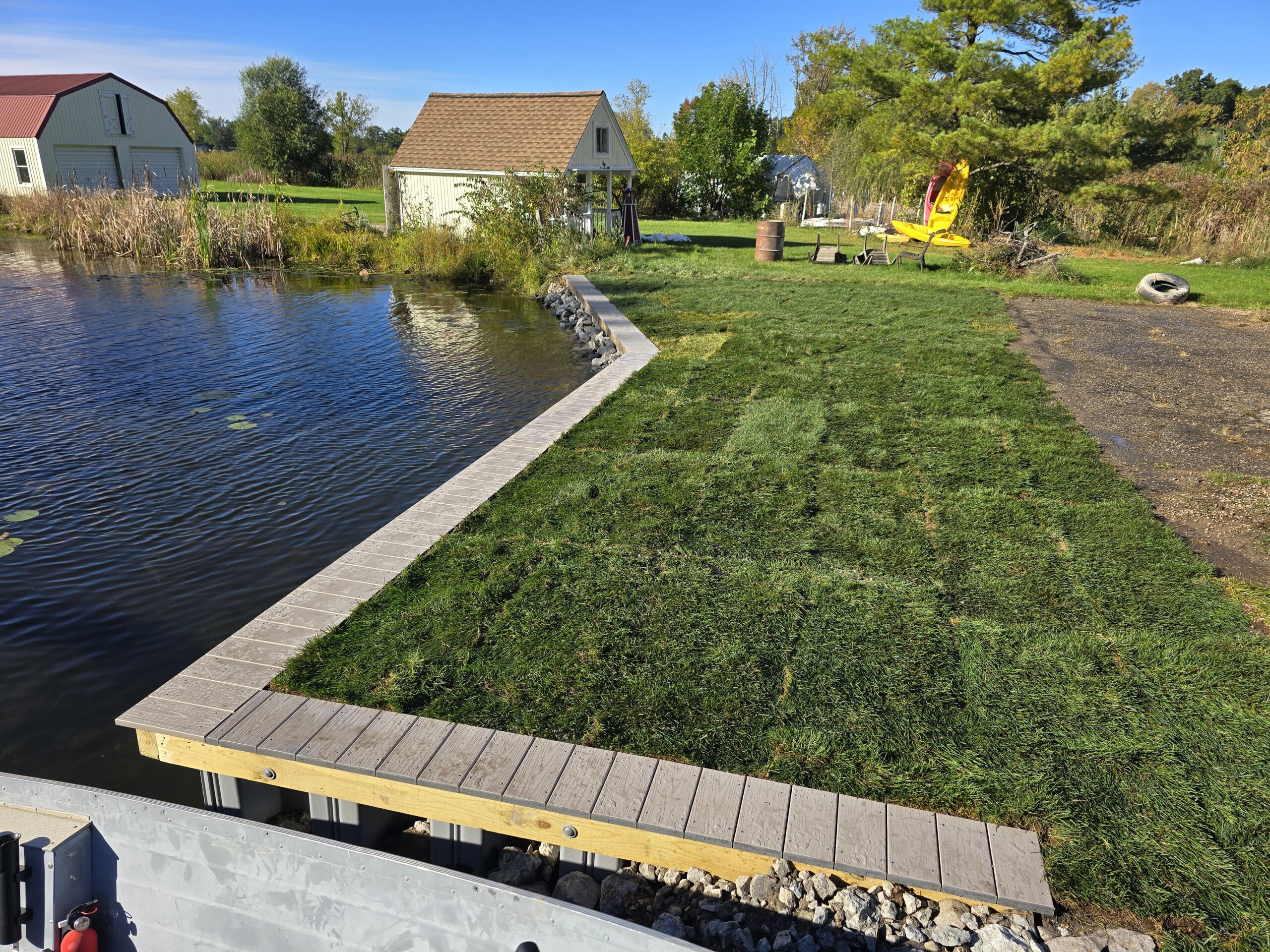
The “cap” is the structural top of your seawall that ties everything together. Because it sits above the water line, Michigan law allows us to replace 100% of your seawall cap without a permit.

  • The Benefit: If your wall is structurally sound but the top is rotting, rusted, or unsightly, we can give your entire shoreline a “facelift” and structural reinforcement right away.

2. The 25% “Emergency” Repair Allowance

If your seawall is failing in a specific area, we don’t always have to wait for the state to give us the green light to save your yard. Rule 5 allows for the repair or replacement of up to 25% of the wall’s total length (including the facing, sheeting, and support pilings) without a permit.

  • The Benefit: This is critical for stopping localized sinkholes or “kick-outs” before they spread to the rest of your shoreline.

3. The “In-Place & In-Kind” Requirement

To qualify for these permit-free repairs, the work must follow two strict standards:

  • In-Place: The wall must stay in its original footprint. We cannot move the shoreline further into the lake.

  • In-Kind: We must use materials similar to the original construction. For example, repairing a section of a steel wall with steel.


Is Your Project Exempt?

While Rule 5 is a fantastic tool for maintenance, it has its limits. If you are looking to switch from old timber to modern Vinyl or Truline Hybrid systems, or if more than a quarter of your wall is failing, a standard permit is required.

Don’t risk a state fine by guessing. We offer Shoreline Compliance Audits where I’ll walk your property and tell you exactly what can be fixed today under Rule 5 and what requires a permit.

Waterside Renovations
269-588-9681
www.watersiderenovations.com
The Homeowner’s Guide to EGLE Seawall Permits

Overview Of The EGLE Seawall Permitting Process

Everything You Need to Know Before You Move a Single Shovel of Dirt in West Michigan.

1. The Golden Rule: Why Do You Need a Permit?

In Michigan, the land below the Ordinary High Water Mark (OHWM) is considered “bottomland” and is held in the public trust. Whether you are on Lake Michigan or an inland lake like Spring Lake, any activity that “hardens” the shoreline—like building a seawall—requires a permit from the Michigan Department of Environment, Great Lakes, and Energy (EGLE).The Penalty: Building without a permit can result in daily fines, “restoration orders” (forcing you to rip out the new wall at your own expense), and a permanent red flag on your property title.

2. Repair vs. Replacement: What Requires a Permit?

Activity Permit Required? The Fine Print
Minor Repairs NO Maintenance must be “in-kind” (same materials) and cover less than 25% of the wall length.
Cap Replacement NO You can replace 100% of the seawall cap/top without a permit if the wall itself is permitted.
Total Replacement YES Replacing more than 25% of the wall or changing materials (e.g., Wood to Vinyl) needs a permit.
New Construction YES Installing a wall where none existed before requires an Individual Permit (IP).

3. The Three Permitting Tiers

EGLE reviews projects based on their environmental impact. Understanding these tiers helps you predict your timeline:

  1. Minor Project (MP): The “Fast Track.” Typically for seawall replacements under 200 feet that follow specific “Best Management Practices.” No public notice required.
    • Timeline: 30–60 days.
  1. General Permit (GP): For very specific, low-impact activities.
    • Timeline: 30–45 days.
  1. Individual Permit (IP): Required for all NEW seawalls or major projects. Includes a 20-day public notice period where neighbors can comment on your project.
    • Timeline: 60–120+ days.

4. EGLE’s “Bio-Engineering” Requirement

This is the part most homeowners miss! EGLE no longer allows “just a wall.” For replacements on inland lakes, they often require Minor Project (MP) categories to include “Soft Shoreline” features, such as:

Toe Stone: Large rocks (riprap) placed at the base of your wall to break wave energy and create fish habitat.

Native Plantings: A small buffer zone of native Michigan plants to filter runoff.

Coarse Woody Debris: Tree branches placed in the water and staked to the ground to create fish habitat.

5. The “Big Water” Difference (Lake Michigan)

If your property is on Lake Michigan, the rules change:

Joint Permit: You need approval from both EGLE and the U.S. Army Corps of Engineers (USACE).

High Risk Erosion Areas (HREA): Some West Michigan shorelines have special “setback” requirements. You may be restricted on how close to the bluff you can build.

6. Steps to a Successful Permit

  1. Site Survey: Determine your OHWM and property lines.
  2. Pre-Application Meeting: (Optional but recommended) Meet with an EGLE staffer to see if they will even allow a wall in your area.
  3. MiEnviro Portal: All applications are now submitted online through the state’s MiEnviro system.
  4. Work with a Pro: As a marine contractor, we handle the drawings, the cross-sections, and the technical justifications required to get your “Yes” from the state.

Don’t Let Paperwork Delay Your Project

The EGLE backlog is real. If you want a new seawall by fall, the permit application needs to go in now.

Contact Waterside Renovations for a “Permit-Ready” Consultation. We don’t just build the wall; we navigate the state bureaucracy for you.

269-588-9681
www.watersiderenovations.com